What Causes Period Pain
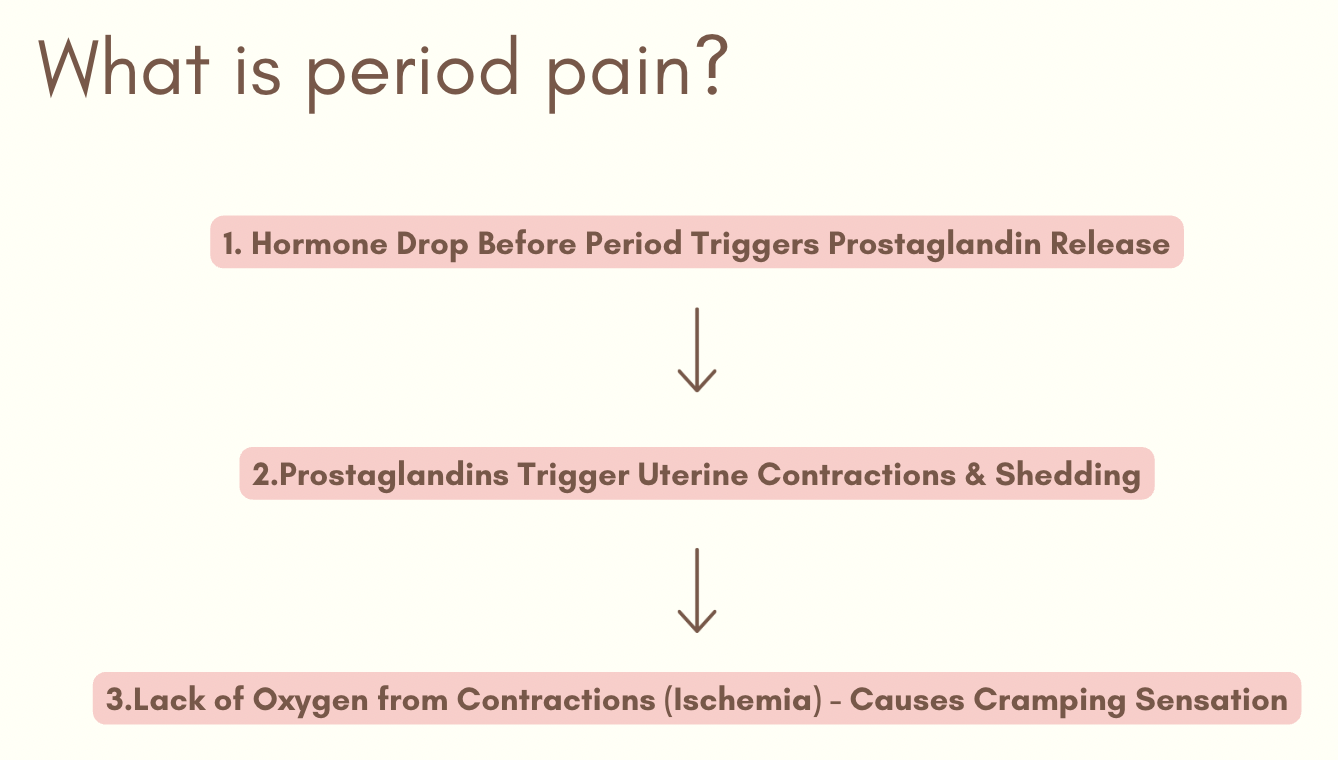
How Period Pain Occurs:
1. Hormone Changes in Luteal Phase Trigger Prostaglandins:
If pregnancy does not occur during a menstrual cycle, the levels of hormones like progesterone and estrogen drop. This drop signals the uterine lining (endometrium) to release high levels of inflammatory substances called prostaglandins.
2.Prostaglandins Trigger Uterine Contractions:
Prostaglandins stimulate the smooth muscles of the uterus to contract. The contractions act like a pump, squeezing the lining so it can break away and pass through the cervix and out of the vaginal canal.
3.Lack of Oxygen (Ischemia):
When prostaglandin levels are high, uterine contractions can become overly intense. This intense squeezing compresses the tiny blood vessels that supply the uterus, temporarily cutting off its blood and oxygen supply. This temporary lack of oxygen causes the muscle to ache, triggering a cramping pain sensation.
Different Types of Period Pain:
Primary Dysmenorrhea: This is the most common type of period pain, typically starting shortly after a young woman begins menstruating.
It occurs when natural chemicals in the body, called prostaglandins, cause the muscle of the uterus to contract abnormally hard to shed its lining.
The pain usually begins a day or two before the period starts and lasts for the first 24 to 72 hours.
Primary dysmenorrhoea - it can also be when you haven’t yet reached a diagnosis for other causes/haven’t had testing etc. too, can be told there’s no cause - if being dismissed or not investigated properly - which happens a lot, especially for young girls.
Secondary Dysmenorrhea: This type of period pain caused by a condition, infection, or structural abnormality within the reproductive organs. Pain that lasts longer than typical menstrual cramps (sometimes starting days before the period and continuing after bleeding stops) and can be accompanied by heavy bleeding, painful bowel movements, or pain during intercourse.
Common Causes of Period Pain:
Endometriosis: Tissue similar to the inner lining of the uterus (endometrium) grows outside of the uterus.
Uterine Fibroids: Noncancerous growths (myomas) in the uterine wall.
Adenomyosis: Uterine lining tissue begins growing into the muscular walls of the uterus.
Pelvic Inflammatory Disease (PID): An infection of the reproductive organs. An infection of the reproductive organs. Often caused by STIs, sometimes IUDs, douching, and BV/bacterial vaginosis, pelvic surgeris such as abortion/D & C, childbirth or miscarriage.
Structural anomalies: Obstructions in the reproductive tract or the use of certain Intrauterine Devices (IUDs) like the copper IUD can cause period pain.
Nutrient deficiencies - studies show that low/deficiencies of vitamin D, B vitamins, vitamin A, C, E, calcium, vitamin K, magnesium, zinc, antioxidants, iron, omega 3 have all been linked to increased period pain directly or indirectly. (through influencing inflammation/prostaglandin production and hormones).
Stress - studies show Chronic stress and history of traumatic experiences - over-activates the Hypothalamic-Pituitary-Adrenal (HPA) axis, which can cause the body to produce excessive prostaglandins and estrogen. These hormones trigger overly aggressive uterine contractions, which physically cause sharper cramps. All types of trauma have been linked to increased period pain.
Imbalanced Blood sugars - studies show Elevated Prostaglandin Production from High insulin levels, triggers chronic, low-grade systemic inflammation.
Immune system dysregulation -studies show - Shared mechanisms, such as chronic inflammation and problems with the immune system recognising the body's tissues - suggest period pain can reflect wider systemic immune dysfunction.
Hormone imbalances - research shows imbalances in various hormones such as oestrogen, progesterone, androgens and other hormones can all increase period pain - via influencing prostaglandin production, pain sensitivity and uterine thickening.
Poor gut health/microbiome LPS - studies show dysbiosis and LPS directly increases inflammation/period pain and is linked to reproductive conditions such as endometriosis.
Poor vaginal/reproductive microbiome health - studies show dysbiosis of the vaginal and uterine microbiome has been linked to severe period pain.
Hypothyroidism - research shows increases period pain as increases inflammation, high oestrogen/hormonal imbalances, heavy/clotting periods which all cause increased period pain.
Poor diet - research shows women with diets high in omega 6, sugar, processed foods, caffeine and diets and low in antioxidants, wholefoods, fibre, plants, fruit, vegetables, grains/legumes, omega 3, vitamins and minereals all have increased period pain compared to womem that don’t.
Poor lifestyle habits - research shows high stress, lack of sleep, low exercise, smoking, vaping, drugs and alcohol all increase period pain.
High toxin load/poor detoxification pathways - studies show air pollution, chemicals/toxins, endocrine disrupting chemicals, heavy metals, pesticides, herbicides, cleaning products, beauty products all have been shown to increase inflammation, disrupt immune system and hormones - all increasing period pain.
High/low BMI - studies show being underweight or overweight is linked to increased period pain.
Everyone’s Causes May be Different & Complex:
But there are key areas of health and contributing factors that can be optimised to prevent, treat and reduce the severity of period pain and the health conditions behind period pain:
High inflammation caused by:
Imbalanced blood sugars
Poor diet and lifestyle
Hypothyroidism
Nutrient deficiencies
High stress/trauma
Immune system dysfunction
High toxin load/poor detoxification pathways
Poor digestive system and microbiome health
Hormone imbalances
We can positively influence our health and reduce period pain through addressing these contributing factors that can cause and worsen period pain and associated conditions.
To learn more about the causes of period pain, testing options, treatment options and how to reduce your period pain with a holistic approach - watch my FREE Period Pain Masterclass below.